
How to know a good tequila
Learn the principal tequila categories, what label details mean and how to taste with attention to aroma and finish.
Read the guide →A flavorful collection shaped by coastal ingredients, refreshing drinks, celebratory dishes and practical recipes for sharing. Browse seafood, slow-cooked favorites, sweets and Baja-inspired classics.
 Cook, taste and share
Three approachable introductions to spirits, coastal seafood and a crisp Baja-style main dish.
Learn the principal tequila categories, what label details mean and how to taste with attention to aroma and finish.
Read the guide →
A bright, quick salad that pairs delicate crab with crisp ingredients and the relaxed character of a coastal meal.
Open the recipe →
Crunchy coconut and tender shrimp create a crowd-friendly plate with tropical flavor and satisfying contrast.
Open the recipe →From long-cooked pork and pozole to hibiscus tea, coconut candy and a cool citrus dessert.

A practical choice for feeding a group, with tender pork and crisp edges ready for tortillas and simple accompaniments.
Open the recipe →
A tart, vivid agua fresca that can be adjusted for sweetness and served thoroughly chilled.
Open the recipe →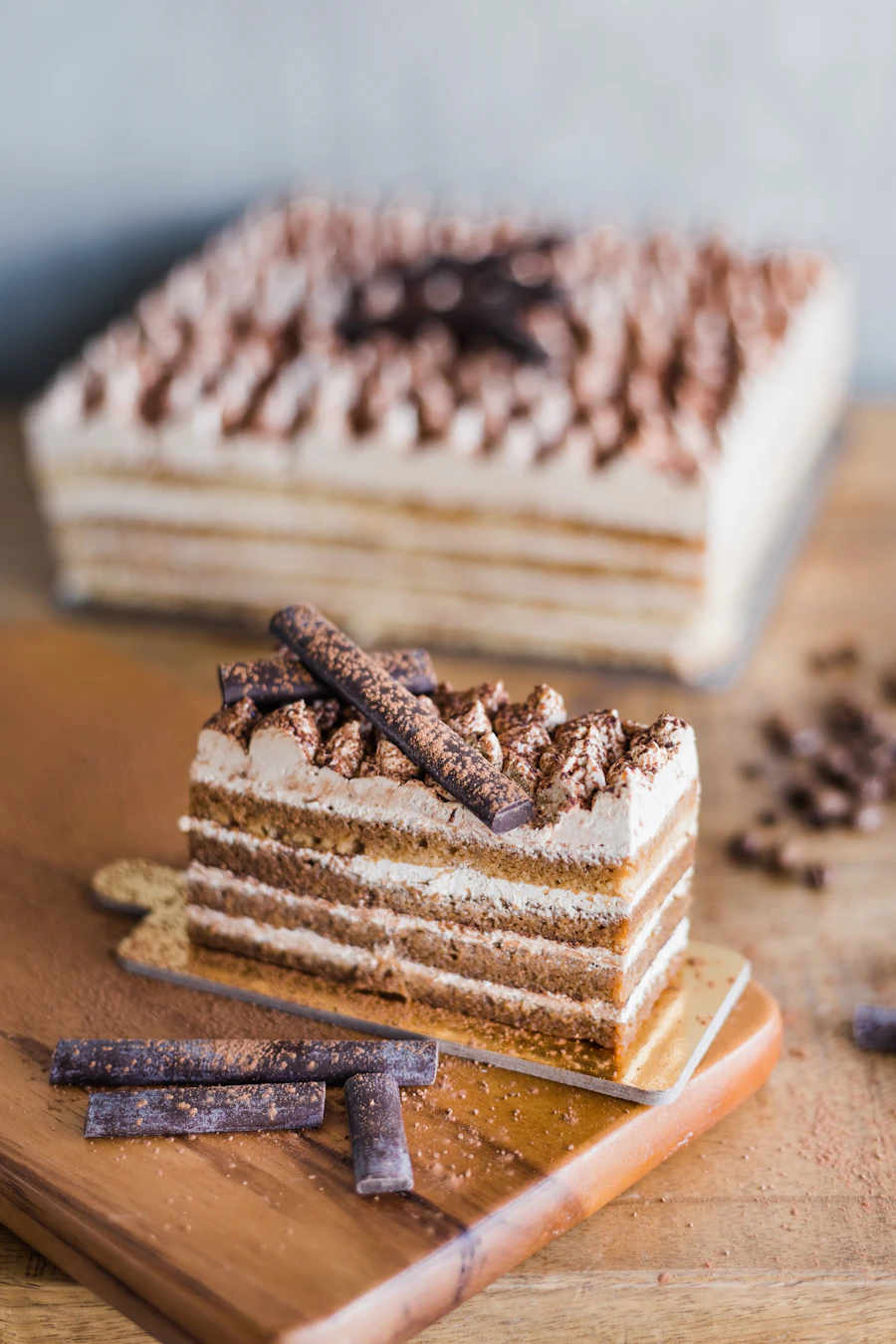
These small candies balance sharp lime with sweet coconut for a distinctive finish to a meal.
Open the recipe →
A light, chilled dessert with a citrus profile suited to the end of a warm-weather meal.
Open the recipe →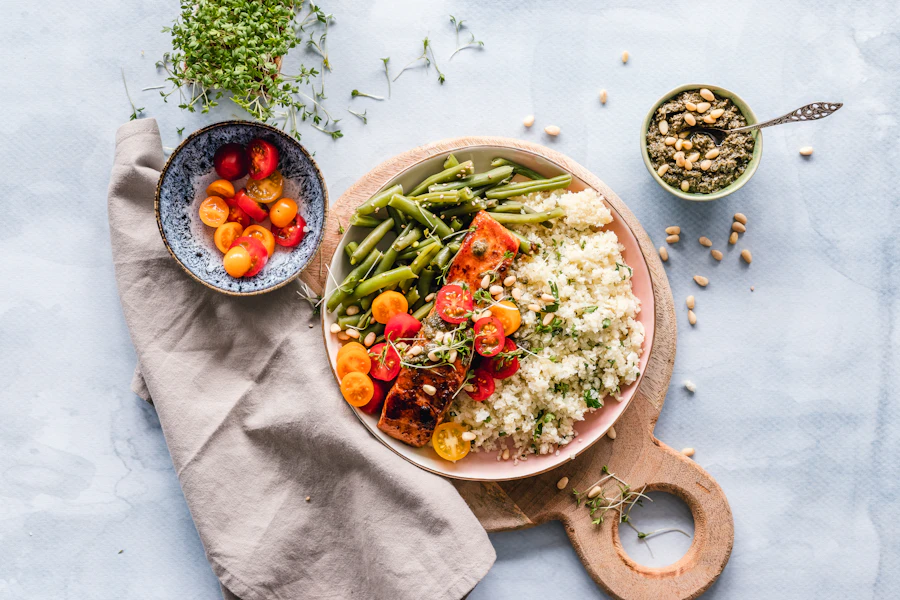
A warming hominy-based dish finished at the table with crisp, fresh garnishes for texture and balance.
Open the recipe →
A generous layered plate designed for sharing, with contrasting toppings added for freshness and crunch.
Open the recipe →
Fresh seafood, citrus and crisp vegetables come together in a dish that depends on careful chilling and handling.
Open the recipe →
A substantial morning dish combining stuffed peppers with bright flavors and a satisfying savory filling.
Open the recipe →
Ingredient behavior, seafood safety and timing matter more than a perfect photograph. Use every recipe as a starting point, then check freshness, dietary needs and safe internal temperatures for your ingredients.
A simple process makes unfamiliar preparations easier to understand and adapt.
Review ingredients, timing and any chilling or resting stage.
Wash produce and arrange measured ingredients before cooking.
Prevent cross-contamination and verify safe doneness.
Balance seasoning carefully, then serve at the intended temperature.


No. Some are Baja-inspired interpretations, while others reflect dishes and drinks found more broadly in Mexico. Names, ingredients and methods can differ considerably by region and household.
Often, but substitutions can change texture, cooking time and food-safety requirements. Choose ingredients with similar moisture and fat characteristics, and adjust seasoning in small steps.
Buy seafood from a trusted source, keep it cold and avoid cross-contamination. Citrus changes texture but should not be treated as a universal replacement for established food-safety guidance.
Heat depends on the type and amount of chile. Begin with less than you think you need, taste when appropriate and offer extra chile separately.
Many can, but cooking and chilling times may increase. Use a sufficiently large vessel and avoid overcrowding pans, especially when browning meat or frying.
Browse the Dining Baja section for additional reading about food on the peninsula.