The islands and rocky outcrops near La Paz support sea lion colonies that can be visited on regulated boat trips. Encounters may include viewing from the vessel or entering the water when seasonal rules, weather and wildlife conditions allow.
What the encounter is like
Sea lions are fast, agile and naturally curious underwater. They may pass beneath swimmers, turn to look through a mask or remain near the rocks. That apparent playfulness should never be treated as an invitation to touch, chase or feed them. Adults can be powerful and protective, particularly around breeding areas and young animals.
Most excursions travel by small boat from the La Paz area toward island habitat in the Sea of Cortez. Exact sites depend on permits, sea conditions and current restrictions. Some trips combine wildlife viewing with snorkeling or diving, while others remain observation-only.

How to share the water responsibly
- Use a licensed provider and attend the full safety and wildlife briefing.
- Stay with your guide and group rather than following an animal away.
- Never touch, feed, corner or block a sea lion’s route to open water.
- Keep hands close to your body and move calmly without splashing after animals.
- Give large adults, mothers and young animals additional space.
- Leave the water immediately if instructed by the guide.
Private vessels must follow the stand-off distances, landing limits and guide requirements in effect on the day. Restrictions may also apply to kayaks, paddleboards and other craft around colony sites. Confirm details with the relevant protected-area authority or an authorized operator before approaching.
Season, conditions and closures
Access is managed partly to protect sea lions during sensitive periods. A closure or observation-only rule should be understood as wildlife protection, not an inconvenience to work around. Even when a site is open, wind, swell, visibility or animal behavior can alter the plan.
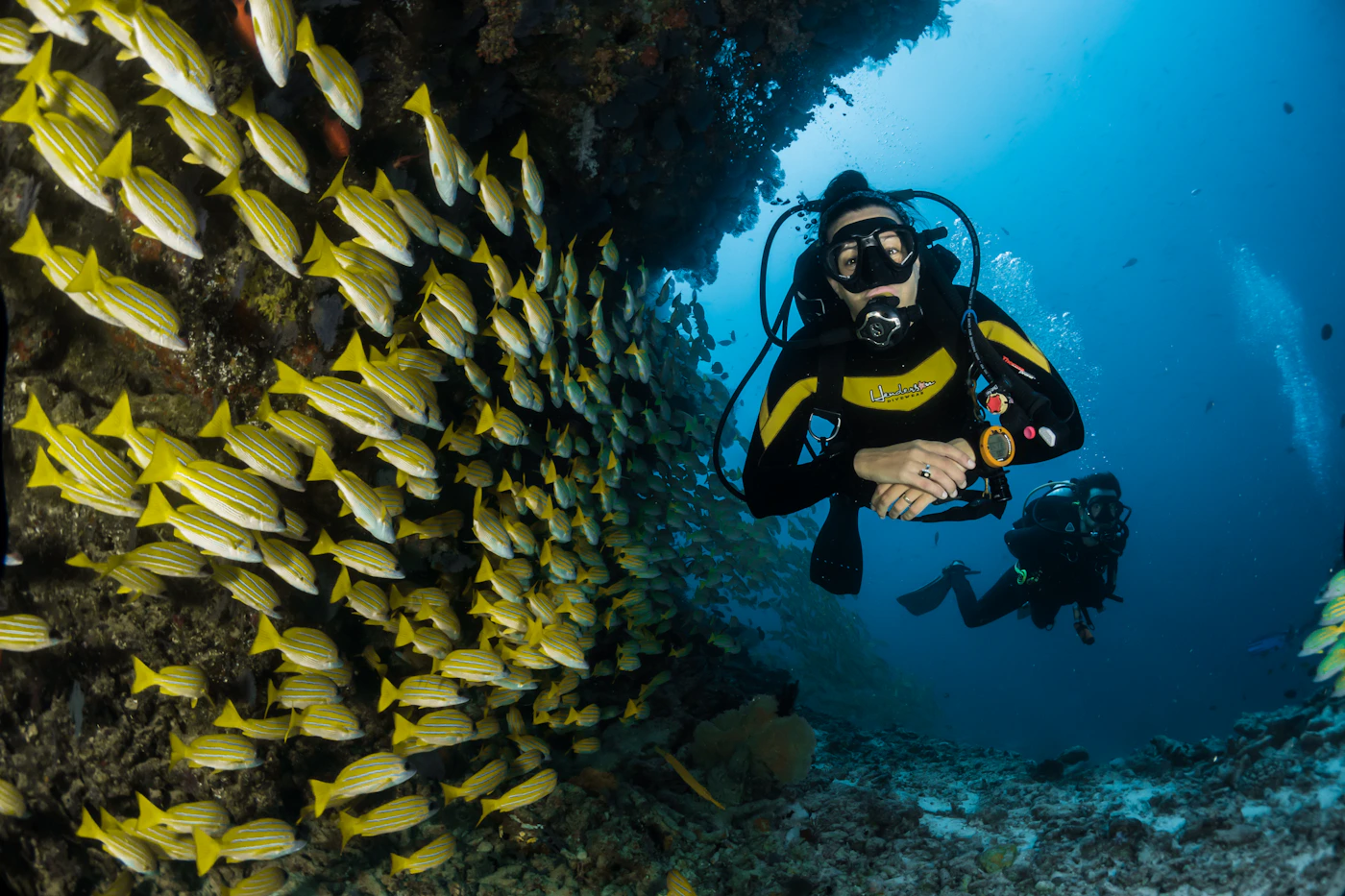
The water can feel cool during a long snorkel, and surface conditions may change during the boat ride. Ask whether the operator supplies a wetsuit, mask, snorkel, fins and flotation. If you bring your own mask, test the fit before leaving shore.
Before you book
Ask concrete questions
Confirm the operator’s authorization, group size, guide-to-guest ratio, included equipment and cancellation policy for unsafe weather. Ask how wildlife rules are explained and enforced. A responsible provider will be comfortable discussing why an encounter may be shortened or changed.
Be honest about swimming ability
Open-water snorkeling differs from swimming in a pool. Current, chop, boat traffic and excitement can make the experience demanding. Tell the guide about limited experience or mobility before departure, use flotation when offered and do not enter the water if conditions exceed your comfort level.
Pack for exposure
Bring drinking water, sun-protective clothing, a secure hat and a dry layer for the return ride. Keep loose items contained aboard the boat. Follow the operator’s current guidance on products used before entering a protected marine environment.
A broader Sea of Cortez experience
The appeal extends beyond one close encounter. Boat travel reveals volcanic island profiles, seabirds, reef fish and the contrast between dry land and deep blue water. Allow the guide to interpret the habitat rather than treating the colony as a photo stop.
Readers interested in nearby access rules can also review the background guide to usage restrictions for the Espíritu Santo archipelago. Always confirm that information against current official notices.