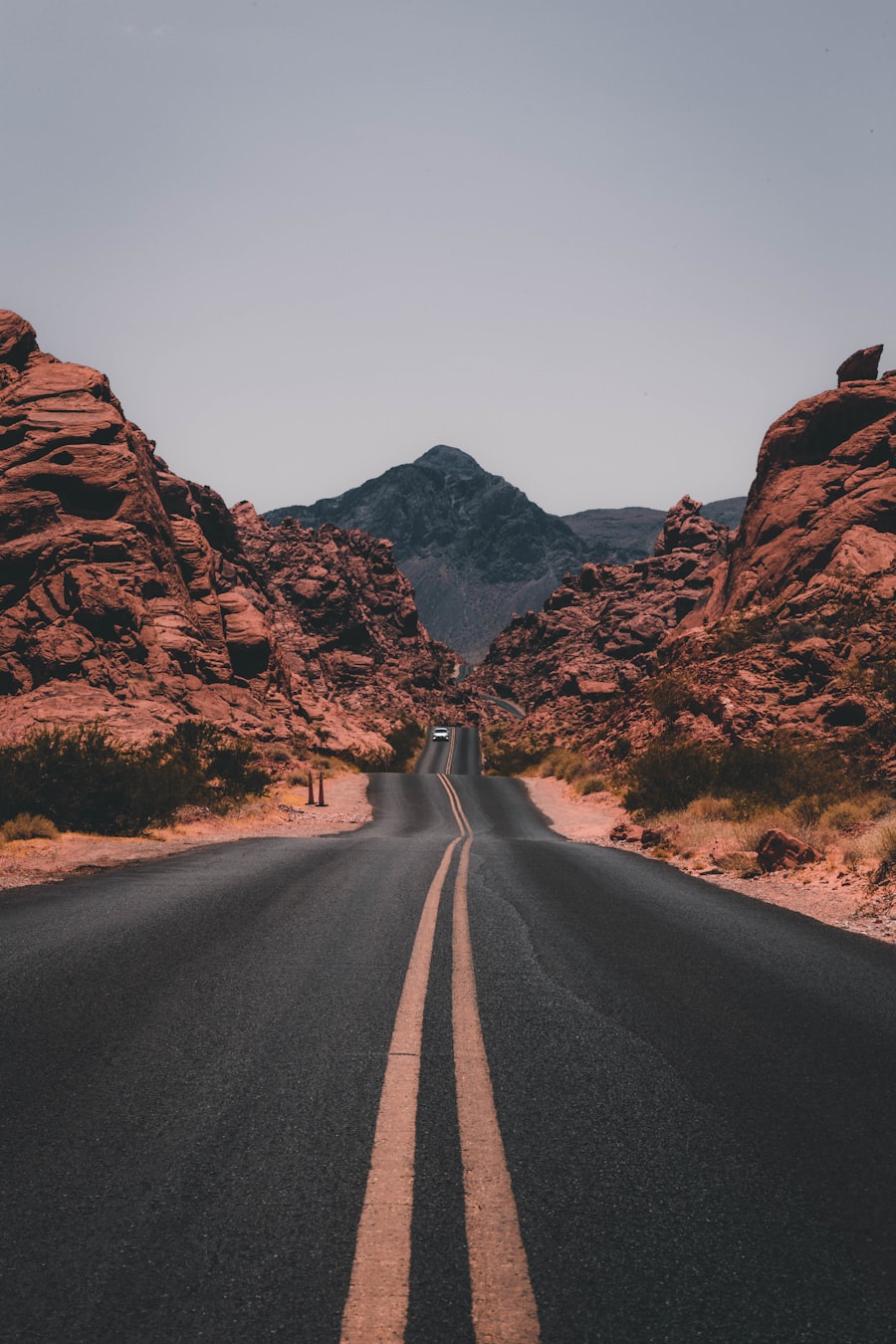
Road quality and traffic levels vary widely across the peninsula. Federal highways, state roads and municipal streets can also fall under different authorities, so the rule, procedure and fine applicable to one stop may not match another.
Carry the right documents
Before driving, confirm that your driver’s license and vehicle registration are valid. Keep your immigration and vehicle documents accessible, while storing copies separately. Rules affecting foreign-plated vehicles and who may operate them can depend on the vehicle’s import status and the driver’s residency circumstances.
If you plan to leave a foreign-plated vehicle with another driver or remain in Mexico for a longer period, seek current guidance from the relevant customs and transport authorities. The related process is introduced in How to Import Your Car into Mexico.
Insurance is essential
Carry liability coverage valid in Mexico and proof of that coverage. A policy issued elsewhere may not satisfy local requirements or provide locally recognized claims handling. After a collision, responsibility and compensation may need to be addressed before the people involved can leave.
Review policy territory, liability limits, roadside support, exclusions and claims instructions before departure. Save the insurer’s procedure offline, because mobile coverage is unreliable on remote stretches.
Common rules visitors should expect
Seat belts
Drivers and passengers should use the fitted restraints. Child-restraint requirements can vary, so confirm the current rules for the state and municipality you will visit.
Phones and distracted driving
Do not hold or use a phone while driving. Stop in a safe, legal place before reading messages or changing navigation.
Speed limits
Follow posted limits and reduce speed for settlements, curves, road works, livestock and poor visibility. Enforcement methods and penalties differ by jurisdiction.
Alcohol and driving
Do not drive after drinking. Enforcement may include checkpoints and testing, while a collision can create serious criminal and civil consequences.
Pedestrian crossings
Approach marked crossings cautiously and yield as required. Dense urban streets may have limited sight lines and unexpectedly heavy foot traffic.
Accessible parking
Never use a reserved space without authorization recognized locally. Do not assume a foreign permit is automatically accepted.
Window tint and visibility
Rules governing dark tint differ and may be enforced. Keep windows, mirrors, lamps and number plates unobstructed.
Radar detectors
Do not rely on detection equipment. Follow signs and drive at a speed appropriate for the road and conditions.
If an officer stops you
- Pull over safely, switch off the engine and remain calm.
- Ask which agency the officer represents and what violation is alleged.
- Provide required documents without offering cash or valuables.
- Request a written citation showing the authority, violation and official payment process.
- Record the officer’s identification, patrol unit, location and time when it is safe and lawful to do so.
- If you do not understand the instructions, politely request clarification or assistance.
Do not offer an unofficial roadside payment. A legitimate fine should follow the issuing authority’s documented process. Keep the citation and receipt together.
After a collision
Stop in a safe position if possible, check for injuries and contact emergency services when needed. Notify your insurer promptly and follow its instructions. Avoid admitting fault or signing a document you do not understand. Photograph vehicle positions, damage, road signs and conditions if doing so is safe.
Commercial traffic, narrow shoulders, nighttime animals and long distances between services can make a minor incident more complicated. The best defense is conservative driving, daylight planning and enough time to avoid rushing.
Regional differences matter
Municipal enforcement in Tijuana, La Paz or Los Cabos may not follow identical procedures. Federal-road enforcement is also distinct from local policing. Confirm the authority named on a citation before asking where and how to pay.
For broader route planning, see Baja Road Trip, Baja Military Checkpoints and 9 Safety Tips When Driving in Mexico.