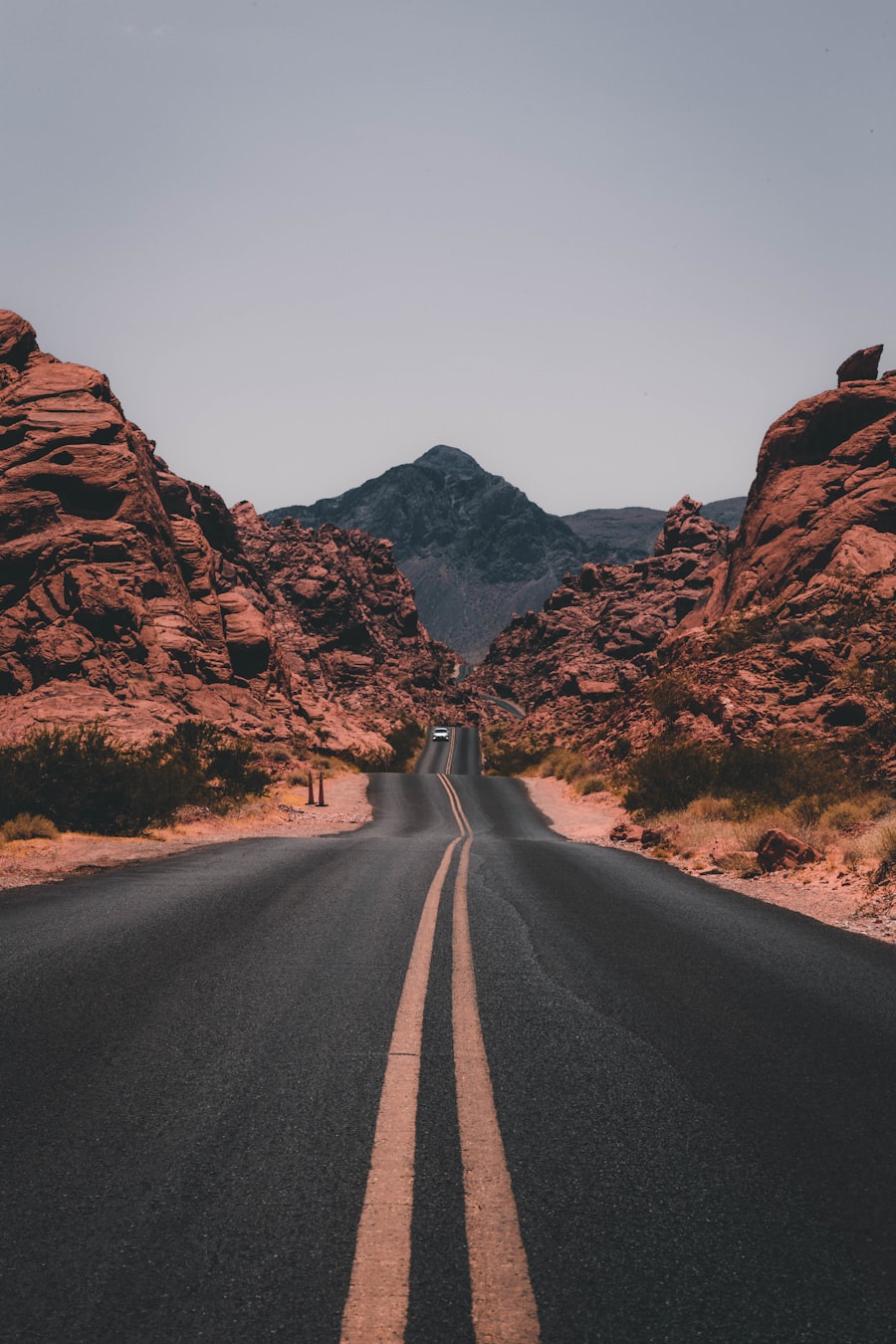
Baja California’s Ruta del Vino crosses the vineyard country around Valle de Guadalupe, inland from Ensenada. The route is best approached as a landscape to understand rather than a checklist to finish: choose a small number of stops, allow time between them and leave room for local food, museums and views across the valley.
The best-known wine area follows Highway 3 between the wider Ensenada and Tecate regions. A separate, older winemaking corridor lies south of Ensenada around Santo Tomás. Distances may appear modest, but unpaved approaches, meal stops and scheduled tastings can turn a short route into a full day.

Understanding the valley
Dry hills, cooling Pacific influence and varied soils help define the region’s character. The area includes established producers, small cellars, restaurants, lodging and workshops, but availability and access differ. Some venues receive walk-ins; others require reservations or limit visits to particular days.
Valle de Guadalupe has grown significantly, so older maps and lists can become unreliable. Use the site’s map resources as general context, then verify the current entrance, road condition, opening schedule and reservation policy directly before departure.
A responsible tasting plan
Designate a driver or arrange transportation in advance. Do not assume that a ride will be immediately available in a rural area, especially after dark or during busy weekends.
Build a realistic day
Two or three substantial winery visits are generally more satisfying than a hurried circuit. Select stops with different perspectives—perhaps a vineyard walk, a cellar-focused tasting and a meal built around regional ingredients. Confirm whether food is available, as tasting rooms are not necessarily full-service restaurants.
- Reserve essential tastings and meals before the trip
- Download directions for offline use
- Carry water and sun protection
- Keep a sober driver throughout the day
- Ask before entering vineyard or production areas
- Allow extra time on gravel and dirt roads

Food, craft and wine history
The valley experience extends beyond tasting rooms. Regional dining, artisan work and exhibits about winemaking give useful context to what is in the glass. The Museo de la Vid y el Vino introduces the development and techniques of viticulture in the region; check current visitor information before including it in your route.
Cellar visits may explain fermentation, bottling and oak aging. Tours differ in language and depth, so ask what is included when reserving. Tastings are also a chance to learn how producers respond to a dry landscape and limited water—an important part of understanding the valley’s environmental context.
When to visit
Late summer brings harvest activity, warm weather and increased demand. Events and harvest experiences can be compelling, but they also require earlier planning. Cooler periods may offer a quieter pace for driving and outdoor stops. Conditions vary, so check the weather, road access and event details close to your visit.
If staying in Ensenada, the valley can work as a day trip. An overnight visit creates more room for a relaxed meal and removes pressure to fit too much into one day, but lodging should be confirmed well in advance during busy periods.
Getting there and moving around
Highway 3 provides the main approach, while individual venues can be reached by smaller paved or unpaved roads. A conventional vehicle may be suitable in dry conditions, but recent weather can change access quickly. Avoid relying only on estimated travel times, and complete unfamiliar rural driving during daylight.
Combine the route with broader Baja road-trip planning rather than treating it as an isolated attraction. Fuel before entering a full day’s circuit, store directions offline and confirm the return route before the final stop.
Keep the plan current
Names, access roads, schedules, tasting formats and event dates can change. Bojainsider provides editorial context; verify operational details directly before traveling.